
Listen to this article
Cell Respiration Study Guide
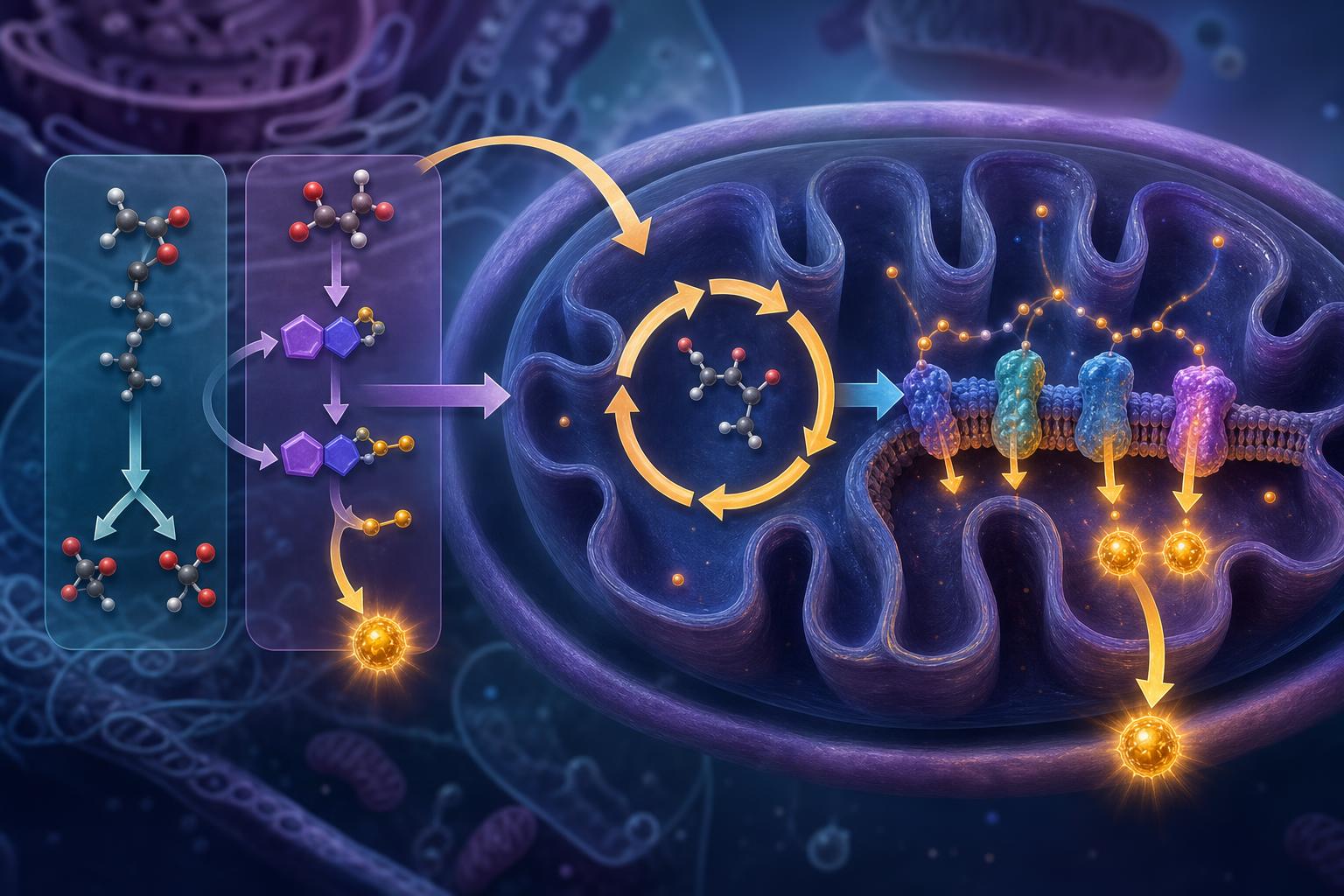
This cell respiration study guide gives students a clear, organized review of how cells break down glucose to release usable energy in the form of ATP. You will learn the purpose of cellular respiration, where each stage happens, what goes in and comes out of each step, and how oxygen supports efficient energy production. This guide also includes cell respiration notes, a cellular respiration summary, flashcards, and quiz practice to help you study for biology class with confidence.
Key takeaways
- Cellular respiration is the process cells use to convert energy stored in glucose into ATP.
- The main stages are glycolysis, the Krebs cycle, and the electron transport chain.
- Glycolysis occurs in the cytoplasm, while the Krebs cycle and electron transport chain occur in the mitochondria in eukaryotic cells.
- Oxygen acts as the final electron acceptor in aerobic respiration, allowing large-scale ATP production.
- Carbon dioxide is released mainly during pyruvate oxidation and the Krebs cycle, while water is formed in the electron transport chain.
What Is Cell Respiration?
Cell respiration, often called cellular respiration, is the process by which cells release energy from food molecules, especially glucose, and capture that energy in ATP. ATP is the cell's immediate energy source for processes such as active transport, muscle contraction, and biosynthesis. The overall aerobic equation is: glucose + oxygen -> carbon dioxide + water + ATP. This process does not happen in one step. Instead, it happens through a series of linked pathways that gradually transfer energy from glucose into ATP and electron carriers such as NADH and FADH2.
Stage 1: Glycolysis
Glycolysis is the first stage of cell respiration and takes place in the cytoplasm. One glucose molecule, which has 6 carbons, is split into two 3-carbon pyruvate molecules. Glycolysis does not require oxygen, so it can occur under both aerobic and anaerobic conditions. During this stage, the cell invests 2 ATP and produces 4 ATP, for a net gain of 2 ATP. It also produces 2 NADH. Glycolysis is important because it begins glucose breakdown quickly and provides intermediates for later stages of respiration.
Stage 2: Pyruvate Oxidation and the Krebs Cycle
If oxygen is available, pyruvate enters the mitochondrion in eukaryotic cells. During pyruvate oxidation, each pyruvate is converted into acetyl-CoA, releasing carbon dioxide and producing NADH. Acetyl-CoA then enters the Krebs cycle, also called the citric acid cycle, in the mitochondrial matrix. The Krebs cycle completes the breakdown of the carbon skeleton and releases more carbon dioxide. Its major role is to generate high-energy electron carriers: NADH and FADH2. It also produces a small amount of ATP directly. For each glucose, because two acetyl-CoA molecules enter the cycle, the outputs are doubled.
Stage 3: Electron Transport Chain and ATP Production
The electron transport chain takes place on the inner mitochondrial membrane. NADH and FADH2 deliver high-energy electrons to a series of protein complexes. As electrons move through the chain, their energy is used to pump hydrogen ions across the membrane, creating a gradient. ATP synthase then uses this gradient to make ATP through chemiosmosis. Oxygen is essential here because it accepts electrons at the end of the chain and combines with hydrogen ions to form water. This final stage produces most of the ATP generated during aerobic respiration.
Aerobic vs. Anaerobic Respiration and Fermentation
Aerobic respiration uses oxygen and produces much more ATP than anaerobic pathways. When oxygen is not available, cells may rely on fermentation after glycolysis to regenerate NAD+ so glycolysis can continue. In animal cells, lactic acid fermentation converts pyruvate into lactate. In yeast and some microorganisms, alcoholic fermentation produces ethanol and carbon dioxide. Fermentation does not produce additional ATP beyond the net 2 ATP from glycolysis, so it is far less efficient than aerobic respiration.
Cell Respiration Summary for Study
A useful cellular respiration summary is to track inputs, outputs, and locations. Glycolysis: cytoplasm; input glucose; output 2 pyruvate, 2 NADH, net 2 ATP. Pyruvate oxidation: mitochondrial matrix; output acetyl-CoA, NADH, and carbon dioxide. Krebs cycle: mitochondrial matrix; output carbon dioxide, NADH, FADH2, and a small amount of ATP. Electron transport chain: inner mitochondrial membrane; input NADH, FADH2, oxygen; output water and most ATP. Remember that oxygen is not used in glycolysis but is required for full aerobic ATP production.
Flashcards
What is the main purpose of cellular respiration?
To convert the chemical energy in glucose into usable ATP for the cell.
Where does glycolysis occur?
In the cytoplasm.
What is the net ATP gain from glycolysis per glucose molecule?
2 ATP.
What molecule enters the Krebs cycle?
Acetyl-CoA.
Where does the Krebs cycle occur in eukaryotic cells?
In the mitochondrial matrix.
What is the role of oxygen in aerobic respiration?
It acts as the final electron acceptor in the electron transport chain.
Which stage of cell respiration produces the most ATP?
The electron transport chain and chemiosmosis.
What are the main products of the overall aerobic respiration equation?
Carbon dioxide, water, and ATP.
Quiz
1. Which stage of cell respiration occurs in the cytoplasm?
- A. Glycolysis
- B. Krebs cycle
- C. Electron transport chain
- D. Pyruvate oxidation
Show answer
Answer: Glycolysis
Glycolysis is the only main stage of cellular respiration that occurs in the cytoplasm rather than inside the mitochondrion.
2. What is the final electron acceptor in aerobic respiration?
- A. Glucose
- B. Carbon dioxide
- C. Oxygen
- D. ATP
Show answer
Answer: Oxygen
Oxygen accepts electrons at the end of the electron transport chain and combines with hydrogen ions to form water.
3. What is the net ATP yield of glycolysis per glucose molecule?
- A. 1 ATP
- B. 2 ATP
- C. 4 ATP
- D. 36 ATP
Show answer
Answer: 2 ATP
Glycolysis produces 4 ATP but uses 2 ATP, giving a net gain of 2 ATP.
4. Which molecule carries high-energy electrons to the electron transport chain?
- A. NADH
- B. Glucose
- C. Pyruvate
- D. Water
Show answer
Answer: NADH
NADH is an electron carrier that transfers high-energy electrons from earlier stages of respiration to the electron transport chain.
5. Which process allows glycolysis to continue when oxygen is absent?
- A. Chemiosmosis
- B. Fermentation
- C. Photosynthesis
- D. Diffusion
Show answer
Answer: Fermentation
Fermentation regenerates NAD+ so glycolysis can keep producing ATP in the absence of oxygen.
FAQs
What is the difference between cell respiration and breathing?
Breathing is the physical movement of air into and out of the lungs, while cell respiration is the chemical process cells use to release energy from glucose and make ATP.
Why is ATP important in cellular respiration?
ATP is the cell's usable energy currency. Cellular respiration captures energy from glucose and stores much of it in ATP, which powers cell activities.
Does glycolysis require oxygen?
No. Glycolysis does not require oxygen, which is why it can occur in both aerobic and anaerobic conditions.
Study Cell Respiration Smarter
Turn this cell respiration study guide into active practice with AI Study Assistant. Get instant explanations, custom quizzes, and review help for glycolysis, the Krebs cycle, and ATP production.

Leave a Reply